Understanding Food Chains in Temperate Forest Ecosystems
Temperate forests are among the most biologically rich terrestrial ecosystems, characterized by distinct seasons and a diverse array of life forms. Within these woodlands, energy moves through a structured pathway known as a food chain, which illustrates how organisms obtain energy by consuming others. Understanding this flow is essential for comprehending how forest communities maintain balance and how changes in one part of the system can influence others.
In any temperate forest, the food chain begins with organisms that capture sunlight and convert it into chemical energy. From there, energy passes through a series of consumers, each occupying a different trophic level. This article explores the components of a typical temperate forest food chain, the roles of different organisms, and the factors that influence energy transfer across the ecosystem.
By examining local woodland habitats, one can observe how energy from the sun ultimately reaches top predators and how decomposers recycle nutrients back into the soil. This process, while universal in its basic principles, is shaped by the specific conditions of temperate forests, including seasonal changes, soil composition, and the interactions among species.
Primary Producers: The Foundation of the Food Chain
At the base of every temperate forest food chain are primary producers, primarily plants, algae, and photosynthetic bacteria. These organisms use sunlight to produce organic matter through photosynthesis, forming the energy source that sustains all other life in the ecosystem. In temperate forests, common primary producers include deciduous trees such as oaks, maples, and beeches, as well as understory shrubs, ferns, and mosses.
The productivity of these plants varies with the seasons. During spring and summer, longer daylight hours and warmer temperatures drive rapid growth, resulting in a dense canopy that captures large amounts of solar energy. In autumn, leaf fall returns organic material to the forest floor, providing a resource for decomposers. The energy stored in plant tissues, such as leaves, stems, and fruits, becomes available to herbivores that consume them.
It is important to note that not all plant material is equally accessible. For example, tough cellulose-rich leaves require specialized digestive systems, while fruits and seeds offer concentrated energy. The diversity of plant species in a temperate forest ensures that a wide range of herbivores can find suitable food sources, supporting a complex web of interactions.
Primary Consumers: The Herbivores
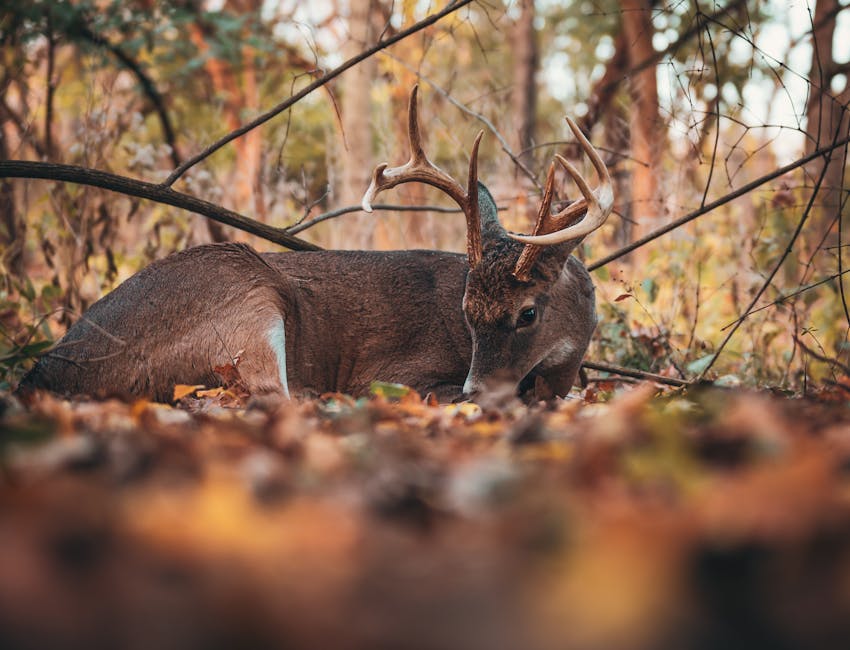
Herbivores, or primary consumers, feed directly on plants and form the second trophic level. In temperate forests, these include a variety of insects, mammals, birds, and other animals. Common examples are white-tailed deer, eastern gray squirrels, caterpillars, and voles. Each herbivore species has adapted to exploit specific plant parts or species, reducing direct competition and allowing multiple herbivores to coexist.
For instance, deer browse on leaves and twigs of shrubs and young trees, while squirrels primarily consume nuts and seeds. Caterpillars often feed on foliage, and voles eat roots and grasses. The energy obtained from plants is used for growth, reproduction, and metabolic processes, but only a fraction is stored as biomass that can be passed to the next trophic level. Typically, only about 10 percent of the energy from one trophic level is transferred to the next, a phenomenon known as the 10 percent rule.
Herbivores also play a role in shaping forest vegetation. Their feeding habits can influence plant distribution and abundance, and they serve as a crucial link between primary producers and higher-level consumers. Without herbivores, the energy captured by plants would remain unused by the rest of the food chain, and the ecosystem would function differently.
Energy transfer between trophic levels is typically around 10% efficient, meaning that a large amount of energy is lost as heat or used for metabolism at each step.
Secondary and Tertiary Consumers: The Predators
Secondary consumers are organisms that feed on herbivores, while tertiary consumers prey on other carnivores. In temperate forests, secondary consumers include animals like red foxes, raccoons, and many species of birds such as owls and hawks. Tertiary consumers, often apex predators, include larger carnivores such as bobcats, coyotes, and occasionally black bears. These predators regulate herbivore populations, which in turn affects the intensity of plant consumption.
The role of predators extends beyond simple consumption. By controlling herbivore numbers, they can prevent overgrazing and maintain plant diversity. For example, if predators are removed from a forest, deer populations may increase, leading to the depletion of understory vegetation and altering the habitat for other species. This dynamic illustrates the concept of top-down control, where the presence of predators influences the entire food chain.
Predators themselves rely on a steady supply of prey, and their populations fluctuate with prey availability. In temperate forests, seasonal changes affect prey abundance. During winter, food becomes scarce, and predators may shift their hunting strategies or expand their territory. These adaptations highlight the interconnectedness of all trophic levels within the ecosystem.
Decomposers and Nutrient Cycling
An often overlooked but essential component of the food chain is the group of decomposers, including bacteria, fungi, and detritivores like earthworms and millipedes. These organisms break down dead plant and animal material, returning nutrients to the soil in forms that primary producers can use. Without decomposers, organic matter would accumulate, and essential elements such as nitrogen and phosphorus would become locked in waste.
In temperate forests, the decomposition rate is influenced by temperature, moisture, and the composition of the leaf litter. For example, oak leaves decompose more slowly than maple leaves due to their higher tannin content. Fungi, particularly mycorrhizal fungi, form symbiotic relationships with tree roots, enhancing nutrient uptake in exchange for sugars. This mutualism further integrates the food chain with belowground processes.
Decomposers complete the cycle by converting organic material into inorganic nutrients, which are then taken up by plants. This recycling is vital for maintaining forest productivity over long periods. It also means that the energy originally captured by plants eventually returns to the soil, supporting new growth. The food chain, therefore, is not a linear path but a cycle that includes both living and nonliving components.
Factors Influencing Food Chain Dynamics
Several factors affect how energy flows through temperate forest food chains. Seasonal changes are among the most significant. During winter, many primary producers become dormant, reducing energy input. Herbivores may migrate, hibernate, or switch to alternative food sources. Predators face reduced prey availability and may rely on stored fat or scavenging.
Human activities also influence food chains. Habitat fragmentation, introduction of invasive species, and climate change can alter species composition and disrupt energy flow. For instance, the spread of invasive earthworms in some North American forests has changed decomposition rates and nutrient cycling, affecting plant communities and the animals that depend on them. Similarly, warming temperatures may shift the timing of leaf emergence and insect hatching, creating mismatches between herbivores and their food sources.
Conservation efforts, such as maintaining contiguous forest corridors and reducing pollution, can help preserve the integrity of food chains. While no single action guarantees stability, understanding the connections between species and their environment provides a basis for informed management decisions. In temperate forests, the food chain remains a dynamic and resilient system, shaped by both natural processes and human influence.