Expertise

Discover the background and experience behind our species identification guides and ecology advice.

Our Background in Nature Education

Wild Trails was founded by a group of ecologists and experienced naturalists who spent years documenting local flora and fauna. Our species identification guides are built on field observations, scientific literature, and iterative testing with beginner naturalists. Every guide is structured to highlight key features, seasonal variations, and common look-alikes. We also collaborate with regional wildlife experts to ensure accuracy. This background allows us to offer practical, step-by-step frameworks for identifying species and understanding ecosystems, all rooted in real-world experience.
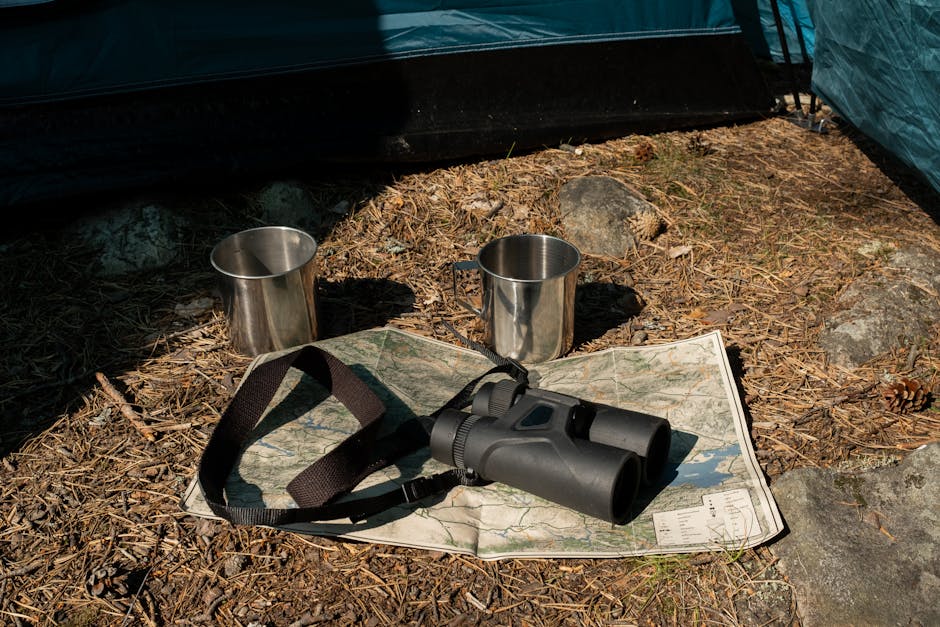
Close-up of camping gear, including binoculars, map, and cups outside a tent.

What Our Readers Share

  • The field guide on winter birds made my hikes much more engaging. Clear illustrations and simple comparison charts helped me identify species I had overlooked.

    Sarah

  • I appreciate the ecology advice on building backyard habitats. The methods are easy to follow and grounded in local ecosystem research.

    Mark

  • Wild Trails' identification keys are the most logical I've used. They break down complex traits into manageable steps for anyone new to naturalism.

    Emily

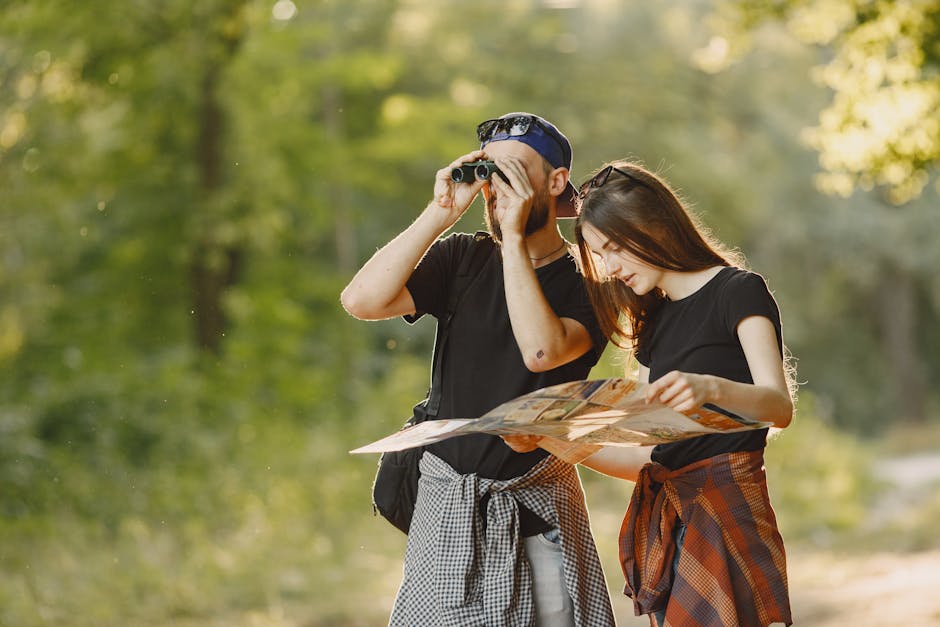
A couple outdoors using binoculars and a map for an adventure journey.

The Experience Behind Our Ecology Advice

The ecology advice we provide comes from direct involvement in local restoration projects and citizen science initiatives. Our team regularly monitors plant phenology, tracks pollinator populations, and tests sustainable practices in different habitats. This hands-on experience informs every article and tip we share. We emphasize context: what works in one region may differ elsewhere, so we always include location-specific notes. By combining field data with peer-reviewed research, we offer a transparent, evidence-based approach to supporting wildlife in your own surroundings.

Our Process

Creating reliable identification guides and ecology advice requires a careful balance of research and real-world testing. We start by reviewing existing resources, then conduct our own field surveys across multiple seasons. Drafts are shared with a network of naturalists for feedback. Updates are released based on new observations and user suggestions. This iterative process ensures our content remains practical and relevant for those exploring nature.