How to Identify Five Common Backyard Birds in Spring
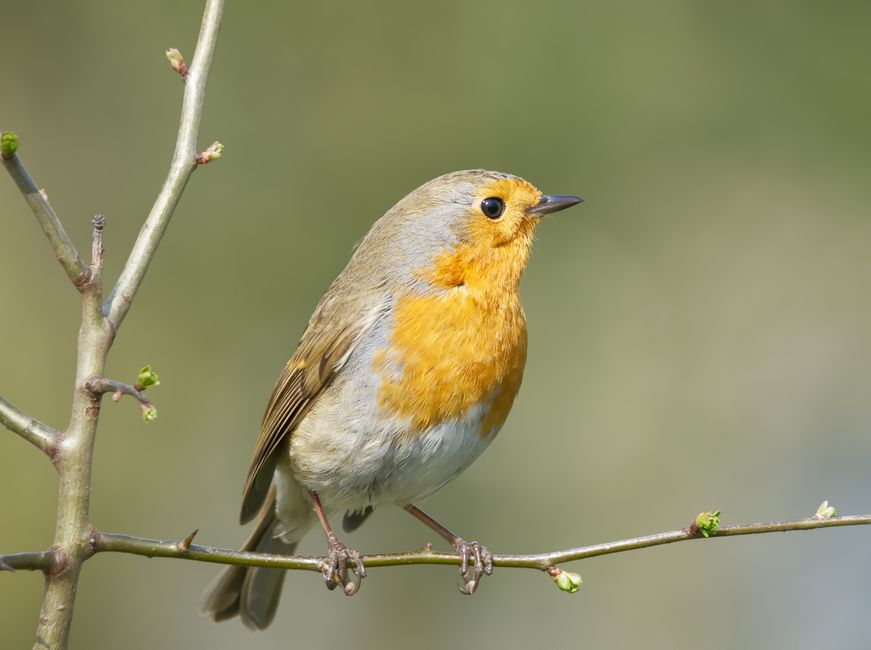
Spring brings a wave of renewed activity to backyards across the United States, as migratory and resident birds begin their breeding seasons. For many observers, this is an ideal time to practice identification skills. Focusing on a few common species can provide a solid foundation for understanding bird behavior, vocalizations, and plumage variation. The following guide introduces five frequently seen birds and describes the key features that can help distinguish them, based on visual and auditory cues.
When observing birds in a yard or local park, it helps to note size, shape, color patterns, and movement. Calls and songs also offer reliable clues, especially when the bird is hidden in foliage. Patience and repeated observation often lead to more confident identification over time. The species covered here—American robin, house finch, song sparrow, northern cardinal, and blue jay—are widespread and generally approachable, making them excellent subjects for practice.
It should be noted that individual birds may show slight variations due to age, season, or geographic region. The descriptions below reflect typical adult appearances and vocalizations during spring. Observers are encouraged to consult regional field guides or recorded bird sounds for additional reference. Wild Trails, for instance, provides curated checklists for many North American habitats.
American Robin
The American robin is one of the most recognizable backyard birds, especially when it appears on lawns searching for earthworms. Its size is similar to that of a blackbird, and its posture is often upright. The most distinctive plumage feature is the warm reddish-orange breast, which contrasts with a dark grayish-brown back and head. The throat is white with dark streaks, and the undertail coverts are white as well. In spring, males tend to have a richer orange color, while females are slightly paler but still show the same pattern.
Robins have a rich, melodic song that consists of a series of clear, whistled phrases, often described as "cheerily, cheer-up, cheerio." The song is typically delivered from a high perch in the early morning. Their call notes include a sharp "tut-tut-tut" or a softer "peek" when alarmed. During flight, robins exhibit a characteristic fast, direct path with quick wingbeats followed by short glides. By paying attention to both the breast color and the song, most beginners can confidently identify this species.
House Finch
House finches are small, active finches that often visit feeders, especially those containing sunflower seeds. Males display a bright red wash on the head, throat, and upper chest, which can vary from orange-red to deep crimson depending on diet. The rest of the body is streaked brown and white, with a conical beak suited for cracking seeds. Females lack red coloration entirely; they are plain brown with heavy streaking on the underparts and a less distinct face pattern.
One useful distinction when comparing house finches to similar species (such as purple finches or Cassin’s finches) is the shape of the tail and the pattern of streaking. House finches have a relatively long, notched tail, and the streaks on the belly tend to be coarse and extend well down the sides. Their song is a lively, warbled series of notes, often ending in a harsh, raspy note. The most common call is a sharp "cheep" or a longer "cheer" sound. Observers may notice that house finches are frequent visitors to platform feeders and can gather in small flocks during spring.
Song Sparrow
The song sparrow is a medium-sized sparrow with a long, rounded tail and a stout bill. Its plumage is primarily brown and gray, with heavy streaking that forms a central spot on the chest—often referred to as a "stickpin" mark. The head features a broad grayish supercilium (eyebrow) and a brown crown stripe. The face pattern, combined with the streaked underparts, helps separate it from other sparrows like the white-throated sparrow or the chipping sparrow.
As its name suggests, the song sparrow has a distinctive and beautiful song. It typically begins with three or four clear, introductory notes, followed by a trill or buzz. The whole phrase can vary regionally, but the pattern of short notes leading into a more complex ending is consistent. Their common call is a soft "tsip" or a nasal "chimp." Song sparrows often forage on the ground, scratching leaf litter with both feet. They are comfortable in shrubby edges, gardens, and overgrown fields, making them a frequent sight in suburban backyards.
Northern Cardinal
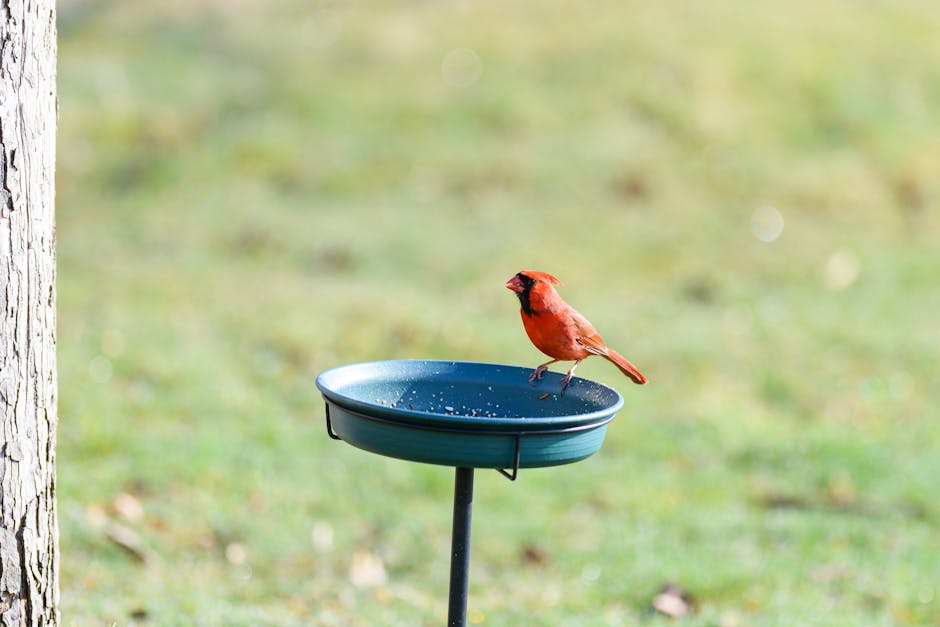
The northern cardinal is perhaps the easiest backyard bird to identify due to its brilliant red plumage and prominent crest. Males are entirely bright red except for a black mask that surrounds the base of the bill and extends down onto the throat. Females are more subdued, with a warm brownish-gray body and red tinges on the crest, wings, and tail. Both sexes have a thick, conical, orange-red bill that is well adapted for cracking seeds.
Cardinals are year-round residents across much of the eastern and central United States. Their song is a series of clear, whistled phrases, often sounding like "cheer, cheer, cheer" or "birdie, birdie, birdie." They also produce a sharp, metallic chip note that is used as an alarm call. Pairs often stay close together, and the male may feed the female as part of courtship behavior during spring. Observers can typically find cardinals perching in dense shrubs or at feeders, where they often feed on sunflower seeds and safflower seeds.
Blue Jay
The blue jay is a large, noisy member of the corvid family. Its most striking feature is the bright blue upperparts, which contrast with a white face and underparts. A distinct black necklace wraps around the throat and extends up the sides of the head. The wings and tail show bold black and white bars, and the crest is prominent and can be raised or lowered depending on the bird’s mood. Blue jays are intelligent and often mimic the calls of other birds, especially hawks, as a possible alarm signal.
Their vocalizations are varied. The most common call is a loud, raspy "jay-jay-jay" or a harsh "queedle-queedle". They also produce softer, bell-like notes when communicating with nearby flock members. In spring, blue jays actively defend nesting territories and may engage in mobbing behavior against predators. They are frequent visitors to feeders, often taking peanuts, corn, or sunflower seeds. Watching their flight pattern—slow, with deliberate wingbeats—can help distinguish them from other blue-colored birds like the indigo bunting, which is much smaller.
Developing the habit of noting size, shape, color patterns, behavior, and calls can turn a casual glance into a meaningful observation. Each species described here offers unique clues that become easier to recognize with practice. While identification can sometimes require multiple visits or a closer look, the process itself adds value to time spent outdoors. Resources such as local birding groups, smartphone apps, and printed guides—including those offered by Wild Trails—can support continued learning throughout the spring season.